
Garden seating plays an important role in shaping how outdoor spaces are used and enjoyed. Among the many options available, teak bench garden seating stands out for its strength, timeless appeal, and suitability for long term outdoor use. Choosing the right bench requires more than selecting a design that looks attractive. It involves understanding materials, sizing, comfort, placement, and maintenance considerations. This guide explains how to choose the best teak bench garden seating by focusing on practical factors that ensure comfort, durability, and visual harmony within the garden.
Understanding the Value of Teak Bench Garden Seating
Why Teak Is Ideal for Garden Benches
Teak is a hardwood known for its dense grain and natural oils. These qualities make teak bench garden seating highly resistant to moisture, insects, and temperature changes. Unlike softer woods, teak maintains its strength and structure when left outdoors. This reliability makes it a preferred material for benches that are expected to withstand regular use and varying weather conditions.
Long Term Benefits of Choosing Teak
Teak bench garden seating offers long lasting performance with minimal effort. The natural durability of the wood reduces the need for frequent repairs or replacements. Over time, the bench continues to provide reliable seating while retaining its visual appeal, making it a worthwhile investment for garden spaces.
Identifying the Purpose of the Bench
Defining How the Bench Will Be Used
Before selecting teak bench garden seating, it is important to consider how it will be used. Some benches are intended for quiet relaxation, while others are designed for social seating or dining areas. Understanding whether the bench will be used occasionally or daily helps guide decisions about size, back support, and overall design.
Matching Function to Garden Lifestyle
Gardens serve different purposes depending on lifestyle needs. A teak bench garden seat placed along a pathway may be used for brief rests, while one positioned on a patio may support longer periods of sitting. Choosing a bench that aligns with how the garden is used ensures both comfort and practicality.
Choosing the Right Size and Proportion
Measuring Available Garden Space
The size of teak bench garden seating should be appropriate for the available space. Measuring the area where the bench will be placed helps prevent overcrowding or imbalance. A bench that is too large can overwhelm the garden, while one that is too small may feel insignificant or impractical.
Balancing Bench Size With Surroundings
Proportion plays a key role in garden design. Teak bench garden seating should complement nearby features such as plants, paths, or tables. A well sized bench enhances the flow of the garden and creates a sense of balance within the overall layout.
Evaluating Comfort and Ergonomic Design
Importance of Back Support
Comfort is essential for any seating choice. Many teak bench garden designs include backrests that provide support for extended sitting. The height and angle of the backrest should encourage relaxed posture without feeling rigid. A supportive design enhances usability and enjoyment.
Seat Depth and Height Considerations
The depth and height of teak bench garden seating affect how comfortable it feels. A seat that is too deep may be uncomfortable for shorter users, while one that is too shallow may not offer enough support. Choosing a bench with balanced proportions helps accommodate a wider range of users.
Selecting the Right Style and Design
Traditional and Contemporary Options
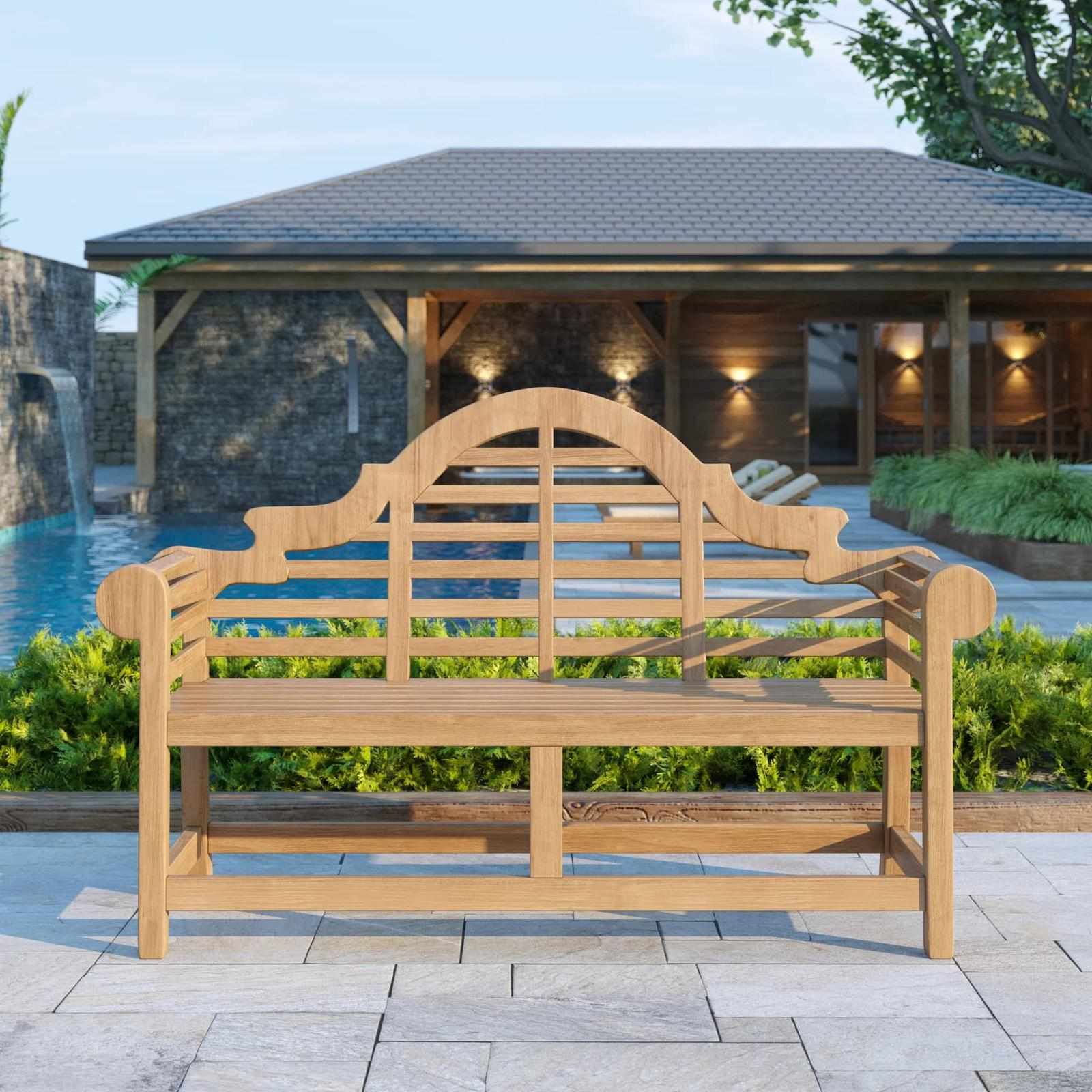
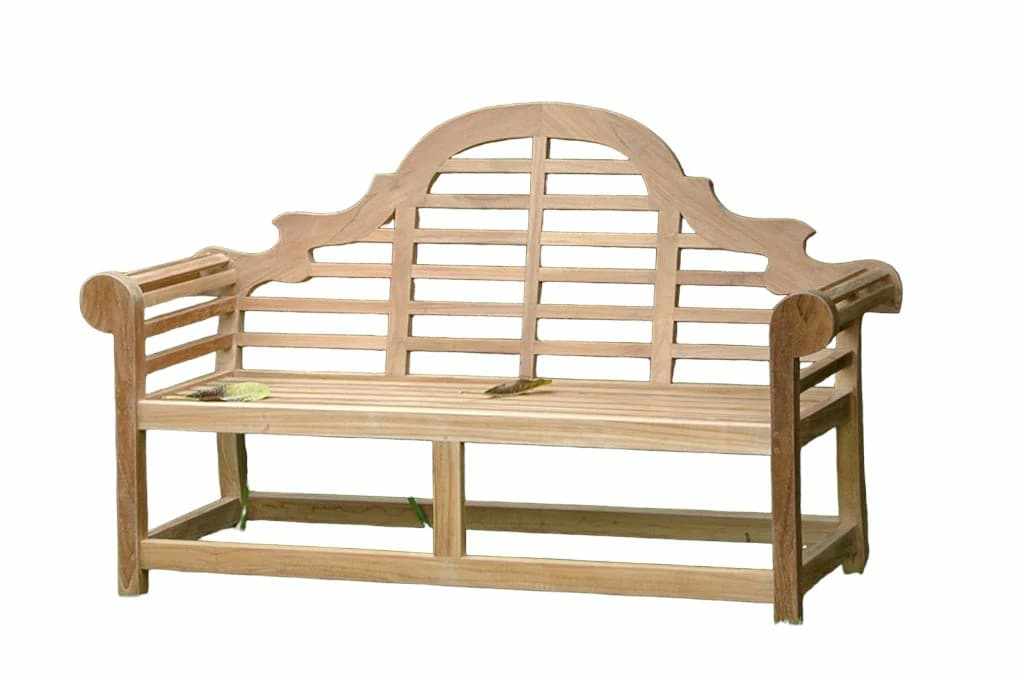
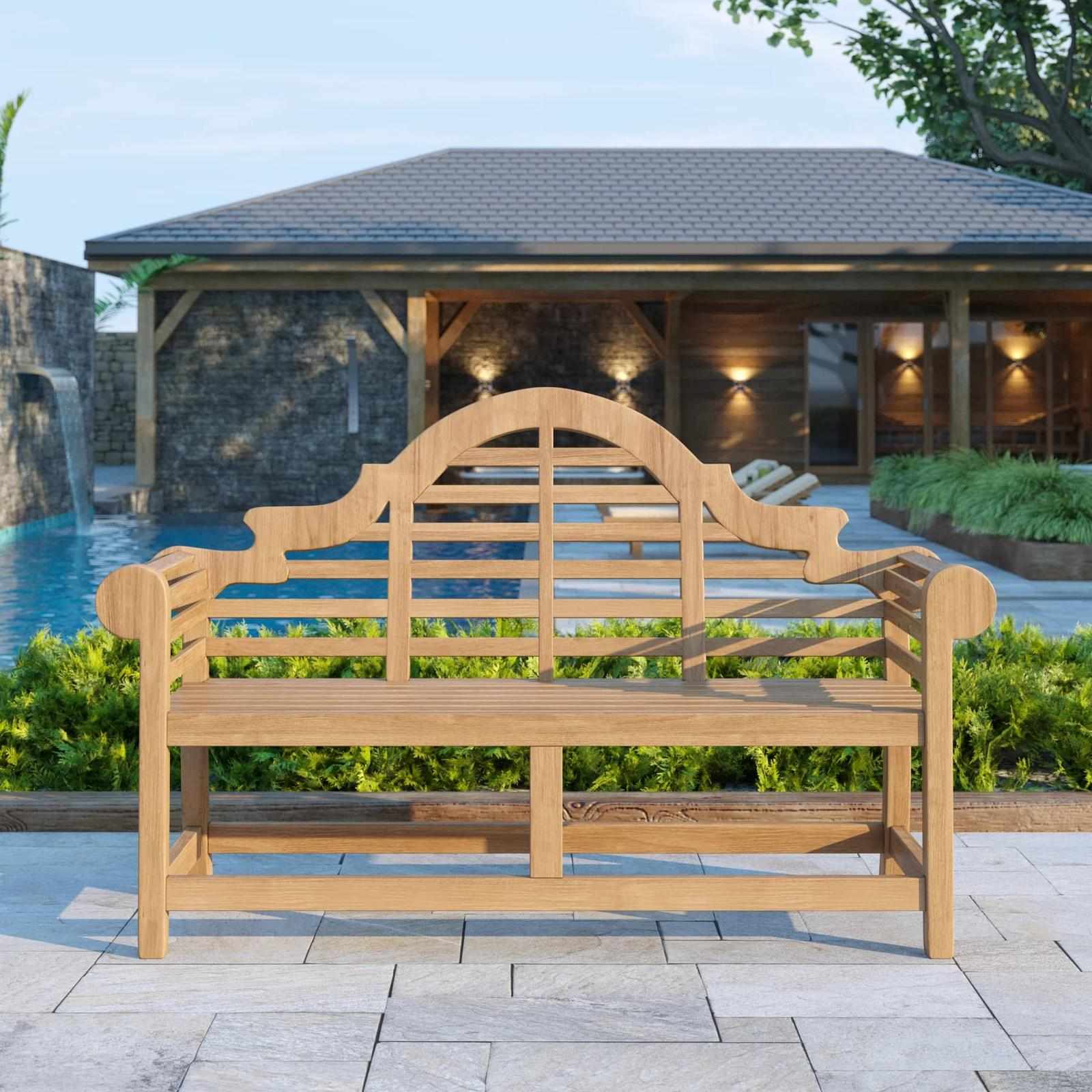
Teak bench garden seating is available in a variety of styles. Traditional designs often feature curved details and classic forms, while contemporary benches focus on clean lines and simplicity. Selecting a style that matches the garden theme ensures visual consistency.
Matching Bench Design to Garden Character
The bench should feel like a natural part of the garden rather than an added element. A formal garden may benefit from a more structured teak bench garden design, while a relaxed setting may suit simpler shapes. The right design enhances the overall character of the outdoor space.
Assessing Build Quality and Craftsmanship
Solid Construction and Joinery
High quality teak bench garden seating is defined by strong construction and precise joinery. Well fitted joints contribute to stability and longevity. Examining how the bench is assembled provides insight into its expected performance over time.
Smooth Finishing and Surface Quality
A smooth and well finished surface improves both comfort and appearance. Teak bench garden seating should feel pleasant to touch and free from rough edges. Attention to finishing details reflects the overall quality of the bench.
Considering Placement Within the Garden
Choosing the Ideal Location
Placement affects both usability and enjoyment. Teak bench garden seating can be positioned along pathways, near flower beds, or under shaded areas. Selecting a location that offers pleasant views and comfort enhances the seating experience.
Sun and Shade Balance
Exposure to sun and shade should be considered when placing teak bench garden seating. While teak handles sunlight well, a balance of shade can improve comfort during warmer periods. Thoughtful placement ensures the bench is usable throughout the day.
Maintenance and Care Requirements
Understanding Natural Aging of Teak
Over time, teak bench garden seating develops a softer appearance as the wood ages naturally. This change does not affect strength or performance. Understanding this process helps set realistic expectations about how the bench will look in the future.
Simple Maintenance Practices
Teak bench garden seating requires minimal maintenance. Occasional cleaning helps remove dirt and maintain a neat appearance. Regular care supports longevity while keeping effort low, making teak suitable for busy lifestyles.
Weather Resistance and Outdoor Performance
Handling Seasonal Changes
Outdoor furniture must cope with changing seasons. Teak bench garden seating performs well in varying conditions due to its natural resistance to moisture and temperature fluctuations. This reliability allows the bench to remain outdoors year round.
Stability in Outdoor Conditions
Strong construction ensures that teak bench garden seating remains stable even after prolonged exposure. The wood density helps prevent warping or weakening, maintaining safety and comfort over time.
Matching the Bench With Other Garden Furniture
Creating a Cohesive Look
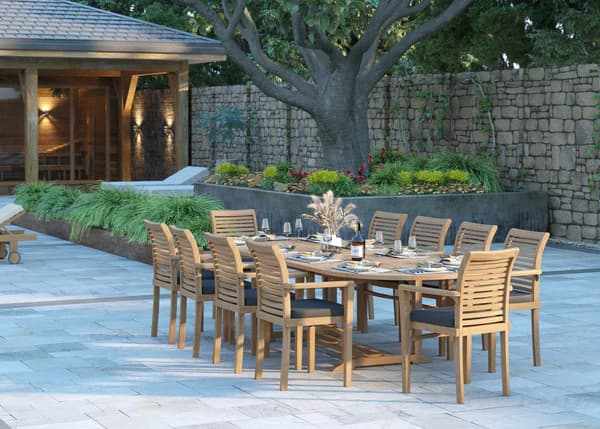
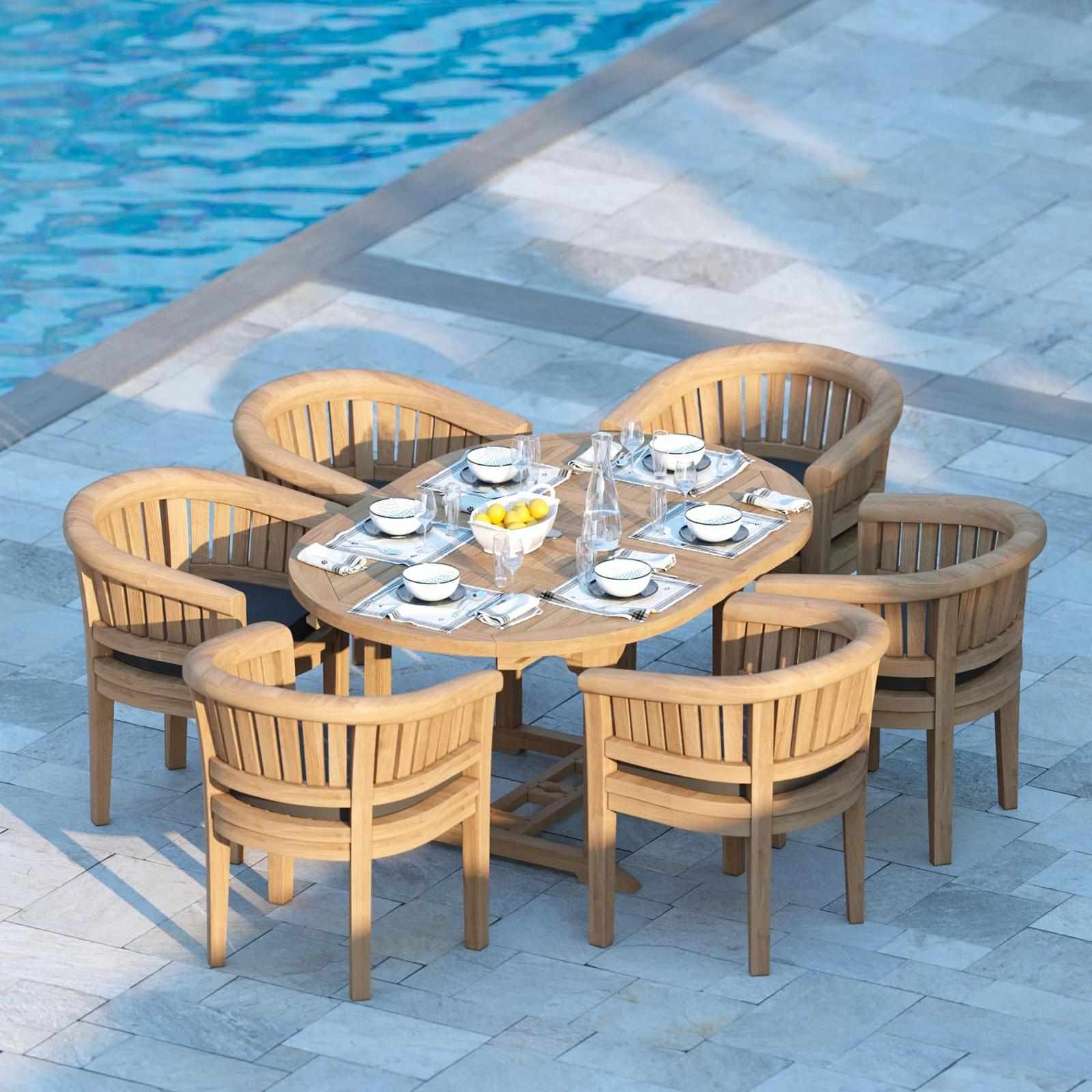
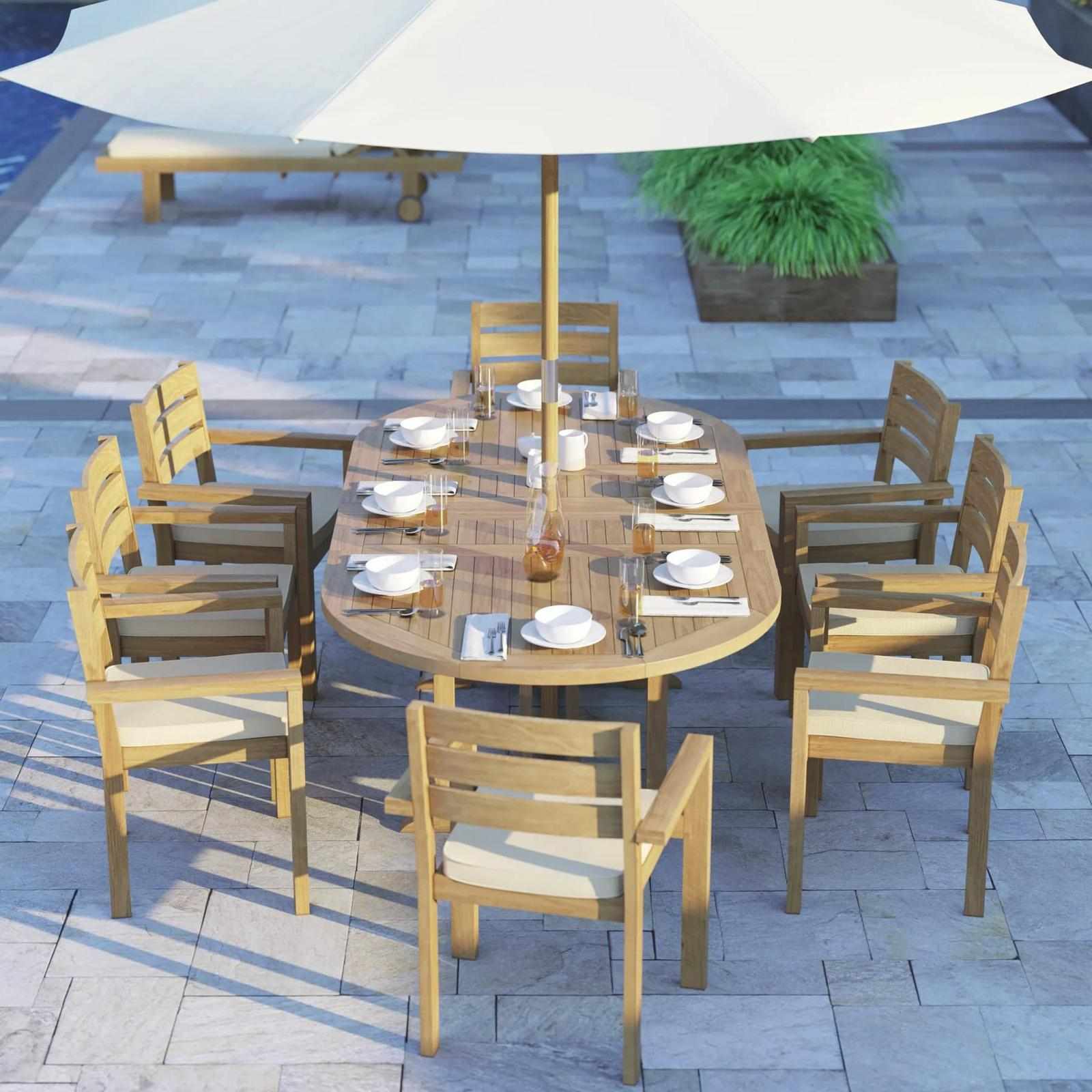
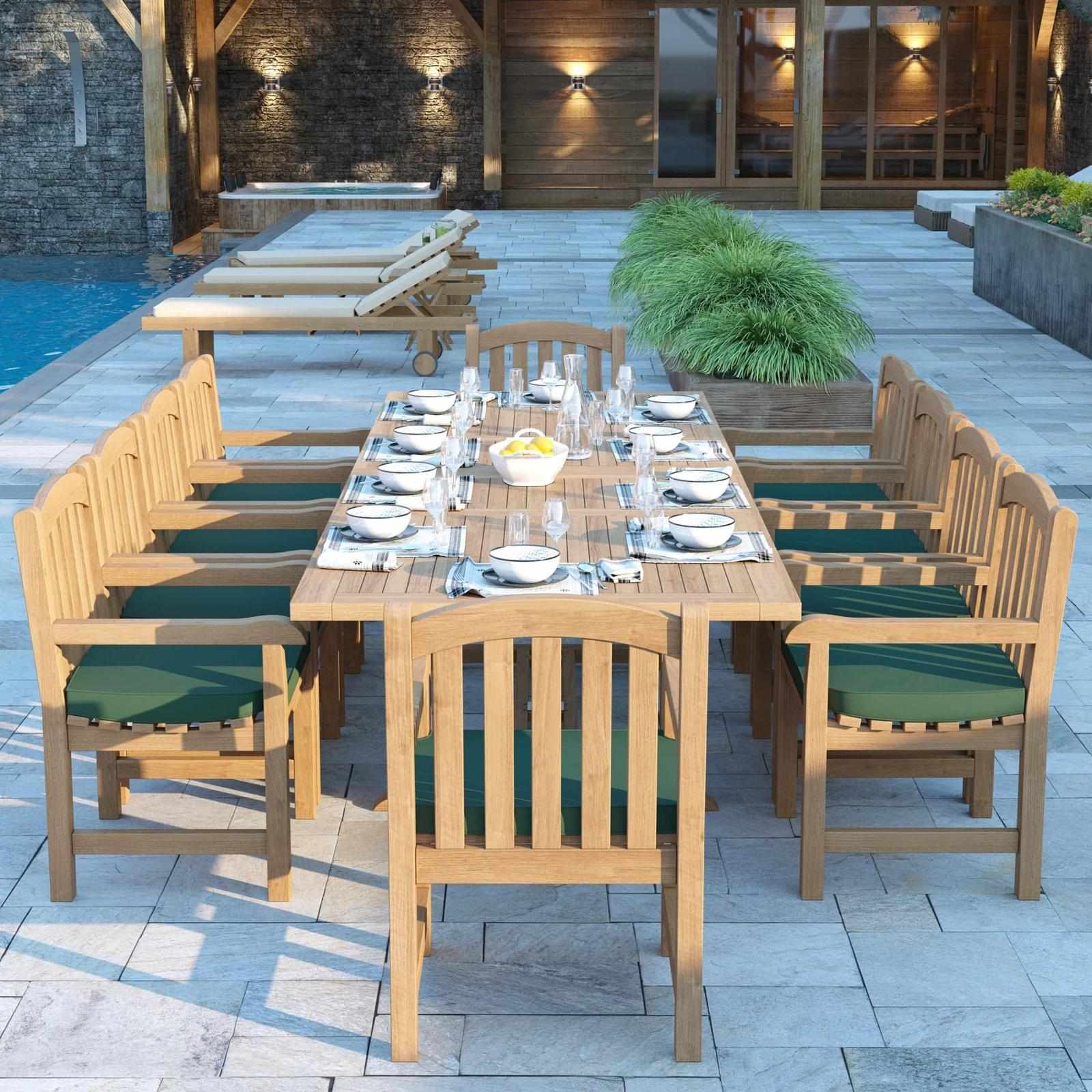
If the garden includes other furniture, teak bench garden seating should complement existing pieces. Consistent materials and tones help create a unified outdoor setting. This approach enhances visual harmony and design flow.
Supporting Flexible Garden Layouts
Teak bench garden seating can be integrated into various layouts. Whether used as a standalone piece or part of a seating arrangement, it adapts easily to changing garden needs. This flexibility adds to its long term value.
Evaluating Value and Longevity
Considering Long Term Investment
While teak bench garden seating may require a higher initial investment, its durability offers value over time. Reduced need for replacement and maintenance contributes to cost effectiveness. Viewing the purchase as a long term investment helps justify the choice.
Comparing Quality Over Price
Choosing the best teak bench garden option involves prioritising quality rather than focusing solely on price. A well built bench offers better comfort, stability, and lifespan. This approach leads to greater satisfaction in the long run.
Enhancing Garden Enjoyment
Encouraging Outdoor Relaxation
Comfortable seating encourages more time spent outdoors. Teak bench garden seating creates inviting spots for rest and reflection. This supports a deeper connection with the garden environment.
Supporting Social Interaction
Benches provide shared seating that encourages conversation. Teak bench garden seating placed in central areas supports social use, making the garden more welcoming for guests and family gatherings.
Safety and Practical Considerations
Stable and Secure Design
Safety is an important factor when choosing outdoor seating. Teak bench garden seating offers stability due to its weight and solid build. This reduces movement and increases confidence during use.
Ease of Access and Use
The height and structure of the bench should allow easy sitting and standing. Teak bench garden seating designed with practical dimensions improves accessibility for users of different ages.
Conclusion
Choosing the best teak bench garden seating involves thoughtful consideration of purpose, size, comfort, design, and durability. Teak offers a unique combination of strength, natural beauty, and low maintenance that suits long term outdoor use. By focusing on quality craftsmanship, appropriate placement, and ergonomic design, it becomes easier to select a bench that enhances both the function and appearance of the garden. Teak bench garden seating is not just a practical addition but a lasting feature that supports enjoyment and comfort in outdoor spaces for years to come.


Write a comment ...